Why Consistency Is the Key to Effective Dog Training

Consistency isn’t just a buzzword in dog training—it’s the backbone of real change, not only for our dogs but also for us as owners. At LifeStyle K9, we see firsthand how little daily wins pave the road to lasting habits and trustworthy companionship. Whether you’re a new puppy parent or troubleshooting behaviors in an older dog, the way we show up every day matters far more than any single breakthrough or technique.
Many of us have kicked off a new gym routine only to lose motivation after a week without seeing results. Dog training brings a similar challenge: It’s easy to fixate on the big, distant goal and forget the value of each step forward. Focusing on small victories—like your dog sitting at the first request or being calm a few extra seconds—makes training more rewarding and sustainable for both dog and handler. Let’s explore why consistency is key, how it builds daily habits, and what practical steps you can take today to make training a joyful routine that really sticks.

What Does Consistency Mean in Dog Training?
In dog training, consistency means repeating the same commands (using the same words when talking to your dog), using the same rules, and responding in the same way every time a certain behavior appears. It creates a predictable pattern for your dog, so they connect their actions with your cues and rewards.
- Commands are clear and unchanged: Every family member uses the same word and gesture for each behavior.
- Reward timing remains strict: Rewards are delivered the instant the behavior occurs—never after the fact.
- Daily repetition: Practice happens regularly, making each session part of your dog’s routine.
This level of structure gives your dog confidence in understanding what you expect, while helping you, as the owner, reinforce good habits and measure small but significant improvements.
Why Consistency Builds Good Habits—For Dogs and Owners
Pattern Recognition and Trust
Dogs are experts at recognizing patterns. When we act consistently—using the same cues, providing the same response—they quickly learn what is rewarded and what is not. This builds trust because our dogs realize they can predict outcomes and feel secure in their environment. Unpredictable routines, on the other hand, create anxiety and confusion, especially for dogs already experiencing stress, fear, or reactivity.
The Joy of Little Wins
At LifeStyle K9, we always encourage owners to celebrate the tiny victories: the first time your dog sits immediately on cue, or focuses on you instead of the distractions outside. These moments may seem minor, but noticing and rewarding them keeps owners motivated—and dogs eager to engage. Day by day, the training process transforms from a chore to an enjoyable habit, for both sides of the leash.

The Real Impact of Consistency: Owner and Dog Stories
Sadie’s Potty Training Success
One standout case at LifeStyle K9 centers on Sadie, a young Fox Terrier who struggled with house training. Her owners had tried everything, taking her outside for long stretches yet still facing frequent accidents. Real results came from a dedicated, consistent routine:
- Establishing a clear food and water schedule—logging meals, potty breaks, and identifying patterns helped target potty times effectively.
- Rewarding successes outside immediately, using a clicker for perfect timing and always using the same “go potty” cue.
- Leash supervision indoors to catch mistakes before they happen.
- Appropriate crate use when supervision wasn’t possible, ensuring the crate was the right size for Sadie.
This unwavering consistency replaced uncertainty and stress with clean habits, less anxiety, and a happier household.
Asher & Benson: From Demand Barking to Calm
Asher and Benson, two miniature Aussies, struggled with demand barking. At first, their persistent barking would get them whatever they wanted because, at some point, family members would give in. With LifeStyle K9’s guidance, the owners shifted to a consistent plan: never rewarding barking, enriching the dogs’ days with mental stimulation, and heavily rewarding calm behavior. Over time, the new predictable system (not responding to barking, consistently rewarding quiet) led to the dogs’ transformation—more peace for the dogs and their family alike.
The Risks of Inconsistent Training
- Confusion and anxiety: Dogs don’t know what earns a reward, so they test boundaries endlessly.
- Training plateaus or regressions: When you skip days or change approaches often, progress stalls or backslides.
- Owner frustration: Without small successes to measure, many owners feel like they’re failing and consider quitting—just like with fitness routines.
Consistency is the ingredient that sets successful dog owners apart. It turns daily sessions into a relationship-building habit that sticks for life.
Practical Steps: How to Make Consistency Real (Even If You’re Busy)
1. Schedule Predictable Practice Times
Make training a regular part of your day, not an afterthought. Pair it with existing routines like feeding, morning walks, or after work. Training for even five minutes every day is more effective than a single, sporadic marathon session.
2. Standardize Commands, Rewards, and Expectations
- Pick a simple word for each command: “sit,” “down,” “stay.”
- Ensure all family members use the same cue for each behavior.
- Have a go-to reward (treats, praise, or a favorite toy) and use it reliably.
Conflicting messages cause confusion—clarity speeds learning.
3. Track Progress With a Training Log
Write down each day’s “little wins”—successful first tries, longer focus, better impulse control. Seeing progress on paper keeps you accountable and lifts your spirits when big changes seem far away.
4. Focus on One Behavior at a Time
Overwhelming yourself or your dog with too many commands at once usually backfires. Choose one target (like recall or loose leash walking) and practice it daily until it’s reliable before moving on. This boosts motivation and clarity for both of you. For more tips on clicker timing and rewards, see our article The Science Behind Clicker Training: How Timing and Positive Reinforcement Shape Dog Behavior.
5. Use Structured Professional Support if Needed
Life and work schedules can make daily repetition hard to manage alone. That’s why LifeStyle K9 offers services ranging from in-home Day Train sessions to structured walking and enrichment visits. Our trainers help embed consistency, support busy owners, and keep your dog learning every day.
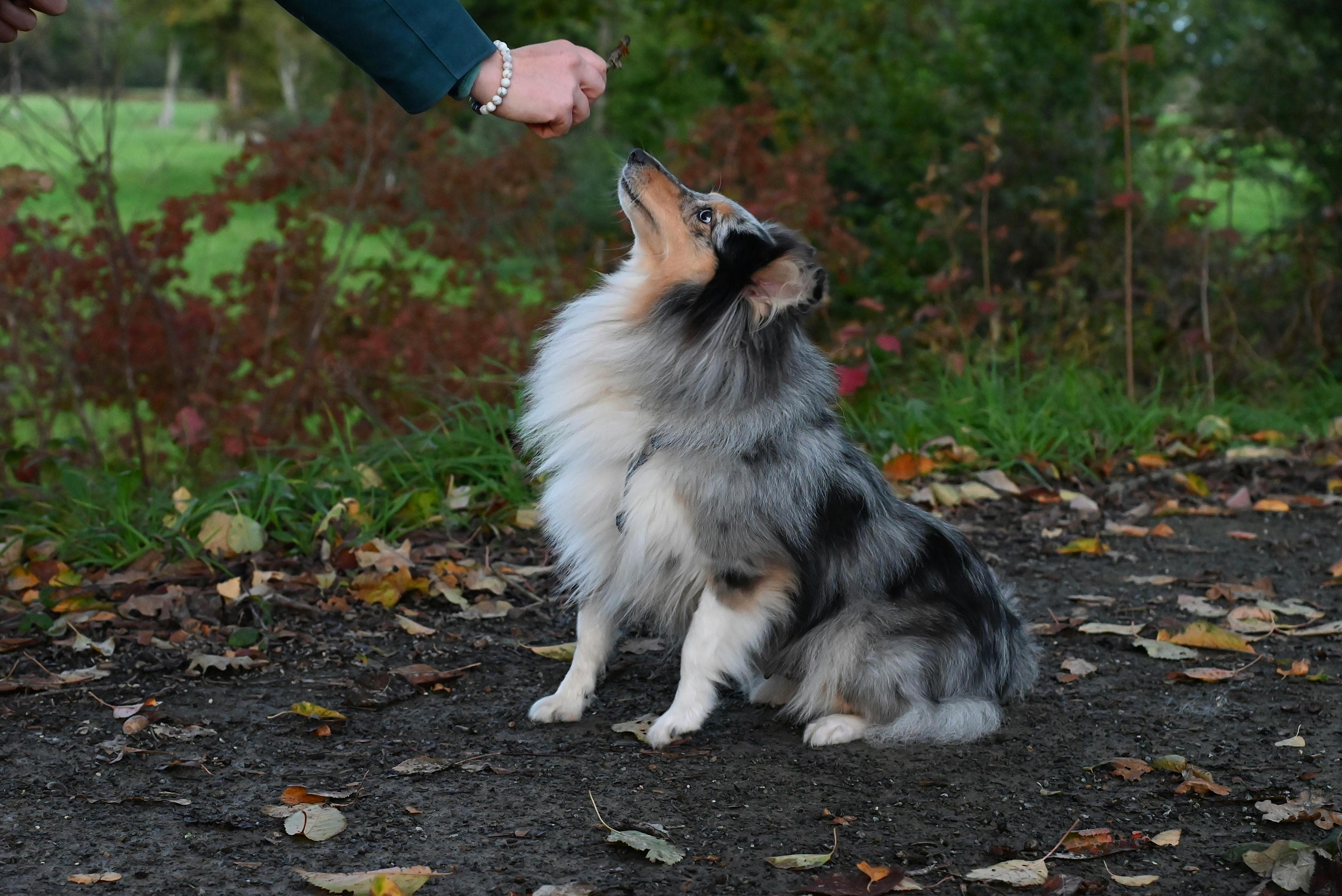
Best Practices for Consistent Dog Training
- Train at the same times each day whenever possible.
- Start and end sessions on a positive note, keeping them short and engaging for your dog’s attention span.
- Use clear marker words or clickers for timing your rewards. (Explore more in-depth timing strategies in our earlier blog about positive reinforcement.)
- Handle setbacks or bad days with grace. Just like humans, dogs can have “off” days—don’t let them derail your routine.
- If multiple people are involved in care or training, have a family meeting to align on expectations, cues, and rewards.
- Celebrate small steps—your dog pausing longer before barking, sitting more quickly, or showing more attention to you than last week.
How LifeStyle K9 Makes Consistency Achievable
One barrier teams mention at LifeStyle K9 is a busy schedule. Our Dog Walking and enrichment programs are built to provide steady routines when owners can’t be there. Whether it’s a mid-day break with training elements, a sniffer walk to stimulate the brain, or foundational obedience refreshers, our services create the predictability dogs thrive on.
Our popular in-home and Day Train programs deliver personalized attention at regular intervals—three times weekly or more. This ensures your dog (and you) never lose momentum, and every small improvement is noticed, reinforced, and celebrated.
Frequently Asked Questions: Consistency in Dog Training
How quickly should I expect to see results if I’m consistent?
With daily practice, most owners witness small wins in focus and cooperation within 7-14 days. More complex behaviors or modifications may take weeks to months, but consistent routines accelerate learning and help the progress last.
What if my family members use different commands or rewards?
Dogs can get confused or frustrated if they receive mixed messages. It’s vital to align as a household, using the same cues and rewards for each behavior. Consistency across caregivers is key to success.
Is it better to train in short sessions or occasional long ones?
Short, daily sessions (5–10 minutes) are far more effective than infrequent, long sessions. Consistency and repetition build habits in small, manageable steps.
Can inconsistent training make problem behaviors worse?
Yes. If a behavior gets attention or rewards only occasionally, dogs may try harder and escalate the behavior—hoping it will eventually produce the reward they seek. Steady responses shape better manners much more reliably.
How does LifeStyle K9 support busy owners?
We offer in-home and day training, dog walking, and enrichment visits, all at regular, structured times. Our trainers help maintain consistent messaging, document training plans, and track progress, supporting both owners and dogs.
What should I do when progress plateaus?
Plateaus are natural. Stick with your routine—consistency during these periods is what leads to breakthroughs later on. Celebrate any small positive shift, and consider consulting with a professional for personalized guidance.
Conclusion: Make Training Enjoyable by Focusing on the Journey
Effective dog training is less about chasing distant perfection and more about showing up consistently, celebrating the little wins, and building habits—together. Each successful recall, calm sit, or reduced reactivity is proof you’re moving forward. At LifeStyle K9, we help you focus on these wins, ensuring both you and your dog love the process.
If you want tailored advice or a hands-on plan for your own little victories, schedule a free consultation or learn more about LifeStyle K9’s custom routines and in-home programs. Making consistency practical and enjoyable is what leads to real, lasting change—for everyone in your household.