How Focusing on Your Dog’s Good Behaviors Accelerates Training Success

Dog training can feel overwhelming, especially when daily life means seeing more of what your dog gets wrong than what they do right. Many owners naturally fall into the habit of responding to every undesirable behavior, from barking to jumping or pulling on leash. However, focusing on your dog’s good behaviors—rewarding them in real time—dramatically accelerates training success and transforms your relationship. At LifeStyle K9, we've seen first-hand that shifting from correcting mistakes to celebrating successes brings out the very best in every dog, builds trust, and minimizes unwanted behaviors more effectively than any other method.
If you’re feeling frustrated by your dog’s setbacks or by constantly saying "no," it’s time to reframe your approach. Instead of waiting for your dog to mess up and trying to correct it, give your dog more chances to win by reinforcing the things they do right. This method does more than just make training enjoyable—it gives your dog a clear path to succeed, strengthens desirable habits, and reduces confusion and stress. At its core, rewarding good behavior empowers your dog with an understanding of what’s expected, rather than leaving them in the dark with corrections alone.
Definition: What Does It Mean to Focus on Good Behaviors?
Focusing on good behaviors in dog training is the practice of identifying actions you want your dog to repeat (such as sitting calmly, walking politely, or relaxing quietly) and providing positive reinforcement for those actions, instead of spending most of your energy correcting mistakes. Through this approach, you actively teach which behaviors are rewarded, effectively replacing unwanted habits with desired ones. At LifeStyle K9, this means giving immediate rewards for calmness, attention, or successful obedience reps, building a feedback loop that leads to lasting change.
Why Rewarding Good Behavior Works Better Than Constant Corrections
Most dog owners, especially when busy, get caught in a pattern of pointing out every wrong behavior. The trouble is, corrections alone rarely teach your dog what to do next. When all your dog hears is "stop that"—without a preferred alternative—they’re left uncertain, which can lead to more mistakes, frustration, and a sense that the only option is to lose. Focusing on the right behaviors, on the other hand, accomplishes several key things:
- Good behaviors are reinforced and therefore naturally happen more often.
- Your dog learns what works and begins to offer those actions to "win."
- Giving your dog a chance to succeed increases confidence and motivation.
- This approach limits bad behaviors by overshadowing them with rewarded alternatives.
The Science and Psychology Behind Positive Reinforcement
Dogs repeat behaviors that are immediately reinforced. This is the foundation of modern dog psychology, supported by studies and countless real-world training outcomes. At LifeStyle K9, we have found that rewarding desired actions leads to stronger habits because it answers the key question every dog has: "What am I supposed to do instead?" Instead of a cycle of confusion and corrections, your dog receives a clear blueprint for success. This clarity drives learning, reduces anxiety, and speeds up progress in nearly every case—from puppies to reactive or anxious adult dogs.
Common Pitfalls: The Correction Trap
Even well-meaning owners fall into the correction trap:
- Relying on verbal scolding or leash pops for every mistake.
- Pointing out only the negative, missing dozens of moments when their dog does something right.
- Failing to offer a clear alternative behavior or reinforce what they actually want.
This approach causes dogs to become confused—often suppressing natural behaviors rather than replacing them with better options. Over time, this erodes the dog-owner bond and makes training a source of stress rather than teamwork.
Real Results at LifeStyle K9: Case Studies from Fort Collins
At LifeStyle K9, our experience in Fort Collins shows that this principle applies to both simple obedience and complex behavioral challenges. Consider Sadie, a 7-month-old Fox Terrier whose owners were initially focused on indoor accidents, constantly scolding when messes occurred. We implemented a plan that:
- Scheduled potty and meal times to create a routine.
- Rewarded outdoor successes immediately with treats and a verbal cue.
- Used leash supervision indoors to prevent accidents.
- Applied consistent crate training for safety and habit building.
Within weeks, as her owners focused on rewarding the right behavior rather than punishing mistakes, Sadie began seeking ways to succeed. Accidents stopped. Rather than feeling like there was never a way to win, Sadie developed a strong, positive routine because she finally understood what the right choice was and received instant feedback for making it.
In another example, Asher and Benson—two demand-barking Miniature Aussies—learned to be calm when their owners redirected their energy and rewarded silence instead of reacting to attention-seeking barking. Through consistent focus on what was going right, the owners broke the pattern and made calmness the favorite habit. (You can learn more about this case in our success story on demand barking solutions.)

Step-by-Step Framework: How To Start Rewarding Good Behavior
- Identify Alternative Behaviors: Decide what you want more of—such as sitting politely instead of jumping, relaxing quietly during downtime instead of barking, or walking with a loose leash.
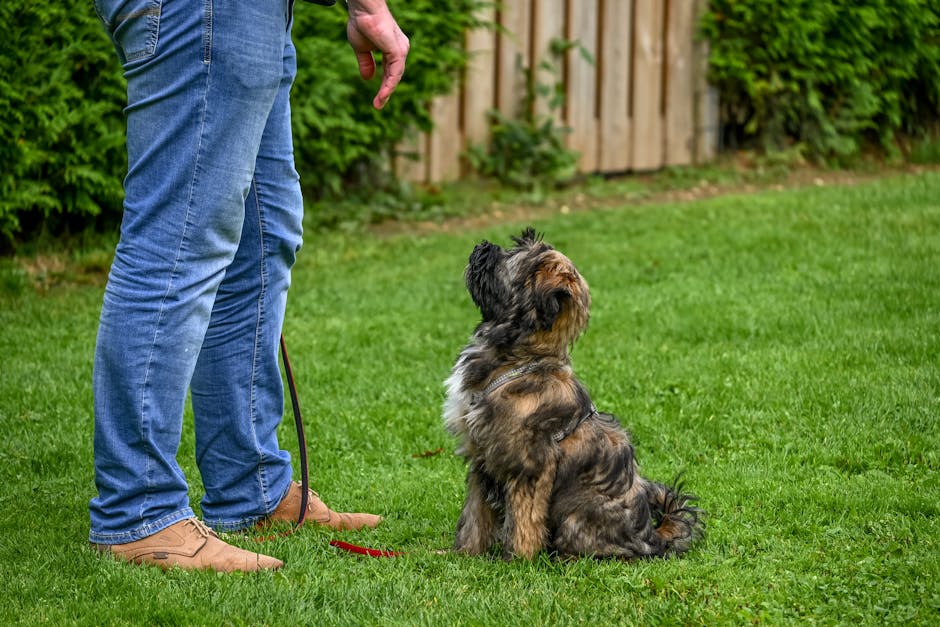
- Catch Your Dog in the Act: Every time your dog offers the correct behavior (even if it’s brief), mark it with a yes word or a click with a reward immediately. At LifeStyle K9, we often recommend high-value treats or their kibble for the early stages
- Be Consistent—Especially When Busy: Track "wins" by jotting down every time you reward a good behavior. Many busy families benefit from short, focused sessions (10-15 minutes) during daily routines. This aligns with our Foundational Walks and enrichment visits, where real-life behavior opportunities occur naturally.
- Phase-In Cues and Duration: Once your dog repeatedly offers a good behavior, consistently pair it with a cue word (such as "sit," "quiet," or "place"). Gradually extend the time or introduce mild distractions to solidify reliability.
- Celebrate Progress, Not Perfection: Don’t expect change overnight. Instead, recognize small wins every day, knowing each one speeds up the next. We advise aiming for 80% success with a simple behavior before asking for more difficulty or duration.
Best Practices From LifeStyle K9
- Reward instantly: The biggest impact comes when you provide treats or positive feedback immediately after the desired behavior.
- Keep sessions short and fun: Frequent short bursts are more productive than rare, long drills. This keeps energy up for you and your dog.
- Rotate rewards: Mix treats, play, praise, or privileges to keep training motivating.
- Ignore minor mistakes: Unless your dog is unsafe, quietly redirect and get ready to reward the first hint of the right action.
- Track successes: Logging wins helps you spot improvements and adjust your focus. We encourage owners to keep a training journal or use a phone note for easy tracking.
- Ask for help when you feel stuck: Many habits, like leash pulling or reactivity, require expert insight. Our customized programs are designed to work with your lifestyle and address issues where they happen most.

Reward Strategy Table: Correction vs. Reward
| Behavior | Correction Trap | Reward Strategy | Expected Outcome |
|---|---|---|---|
| Barking for Attention | Scold or yell "quiet" | Reward with treats or pets when quiet, use a cue, or offer a behavior you prefer | Reduces demand barking (see Asher & Benson’s story) |
| Jumping on Guests | Push or knee away | Reward with treats or affection only when sitting with all paws on the floor. | Encourages polite greetings |
| Pulling on Leash | Yank or stop repeatedly | Give treats for walking next to you with a loose leash, build a position of value next to you so your dog want to be there more! | Promotes loose-leash walking |
Why This Approach Works—Even for Challenging Behaviors
Training your dog through rewards provides clarity: your dog isn't guessing what's allowed or facing endless corrections. In complex cases like reactivity or separation anxiety, rewarding good choices is often the only way to break the cycle of fear or frustration (see our success stories on dog reactivity and separation anxiety).
Integrating Rewards Into Your Busy Life
At LifeStyle K9, we make reward-based routines practical for busy professionals, families, and anyone struggling with a hectic schedule. Whether you’re taking our Enrichment Visits (which combine scent games, agility, and training games) or a Foundational Training Walk, our trainers pinpoint key moments to reinforce. These services support real-world change and give owners the confidence to keep winning at home.
For more about maintaining routines with a tight schedule, see our blog: Why Consistency Is the Key to Effective Dog Training.
Frequently Asked Questions
What if my dog still makes mistakes even with rewards?
It's normal for dogs to make errors as they learn. The key is to focus on reinforcing what they do right and to guide them back to desired actions. If you find repeated struggles, break the task into smaller steps or contact LifeStyle K9 for customized guidance.
Does this work for aggressive or highly reactive dogs?
Yes, rewarding the right behaviors is especially important with challenging issues like reactivity or aggression. At LifeStyle K9, our tailored plans for these scenarios focus on calmness, attention, and alternative responses, which not only defuses triggers but creates a safer home and better outings.
Can I use rewards forever, or will my dog only listen for treats?
Rewards begin as a teaching tool but shift over time. Once a habit is strong, you can gradually phase out treats in favor of praise, play, or privileges. The end result is a dog who listens because good choices are part of their daily life—not just because food is present.
How do I handle setbacks or regression?
All progress takes time, with occasional backslides. When setbacks occur, go back to basics: capture every right choice, make rewards clear and easy to earn, and keep sessions positive. Progress tends to accelerate again when your dog feels confident about what’s expected.
Conclusion: Let Your Dog Win More To See Results Faster
Rewarding your dog for doing the right thing isn’t just about treats—it’s about clarity, communication, and mutual success. The more you focus on behaviors you want to see, the more your dog will choose them, greatly reducing the amount of undesirable behaviors. This method gives your dog a real chance to succeed instead of feeling stuck with no way to "win." That’s why families and busy owners across Fort Collins trust LifeStyle K9 for proven, personalized dog training that fits real life.
If you’re ready to leave the correction cycle behind and start seeing results that last, schedule a free consultation with us today. Your dog (and your peace of mind) will thank you.